
University briefing: UK audio production industry

Change in the music and audio production industry is putting new demands on graduates and the universities they attend. In this briefing from Lorensbergs, we look at what’s driving change, what skills students need to demonstrate and where universities can help most.
As a partner to over 100 UK universities, Lorensbergs has been working for many years with faculty and technicians in sound engineering and multimedia courses. This briefing incorporates some key data and insights from our work with universities for discussion with the wider academic audience.
How the audio production industry has changed
To say that the audio-production industry has undergone a few changes in the last few years would be a considerable understatement. A radical metamorphosis would be much closer to the truth. Brought on by advances in digital technology, it has effectively transfigured the traditional music and sound recording industry out of all recognition.
A production company in need of an orchestral soundtrack has vastly different options compared to a few years ago. Previously, it would have had no choice but to splash out on the phenomenal expense of hiring an orchestra. Today, it can simply approach a tech-savvy sound engineer who knows how to operate digital audio workstations (DAW) and musical instrument digital interfaces (MIDIs), creating superb digitally-produced orchestral sounds at a fraction of the cost.
The fact is that with this cutting-edge new technology, musicians and producers can create magnificent sounds at home from a laptop – and for a scintilla of what professional recording studios with a battery of high-end kit would have to charge. The result? Along with the huge impact of the global financial crisis of 2008, this industry has become keenly competitive.
It’s crucial for students to be under no illusions about this industry: they’ll need a lot of passion and determination. For example, statistics prepared by UK Music, the umbrella organisation representing the collective interests of the UK’s commercial music industry, found that employment for music producers (including sound engineers, remixing specialists and recording project managers) grew by 25 percent between 2012 and 2015 but slowed to only 2 percent between 2015 and 2016. So we’re still in growth territory but it’s definitely getting tougher out there.
There’s also increasing pressure for new entrants to demonstrate familiarity with the new technologies driving the industry. Students are having to work hard to develop the right skills in order to compete.
What skills and experience do students need?
If they want a sound engineer career, for example, they’re really going to have to stand out from the crowd. The days when non-graduates with little work experience could land a job are fast coming to an end. Entry level jobs in audio production these days tend to require higher level qualifications and formal training.
So the good news for universities is that their candidates who hold degrees in communications engineering or audio engineering are much more likely to get a look-in – especially if they’re seeking more advanced roles.
Employers today tend to be searching for specialisms – candidates who can demonstrate unique understanding of and experience in specific forms of audio production, like post-production, voice-overs or mastering. Students equipped with this know-how are likely to command the better pay rates in the industry.
Finally, there’s the usual Catch-22 that new graduates face when entering a new career: employers are more likely to hire candidates with previous experience in the industry. But how do you get that when you’re new to it?
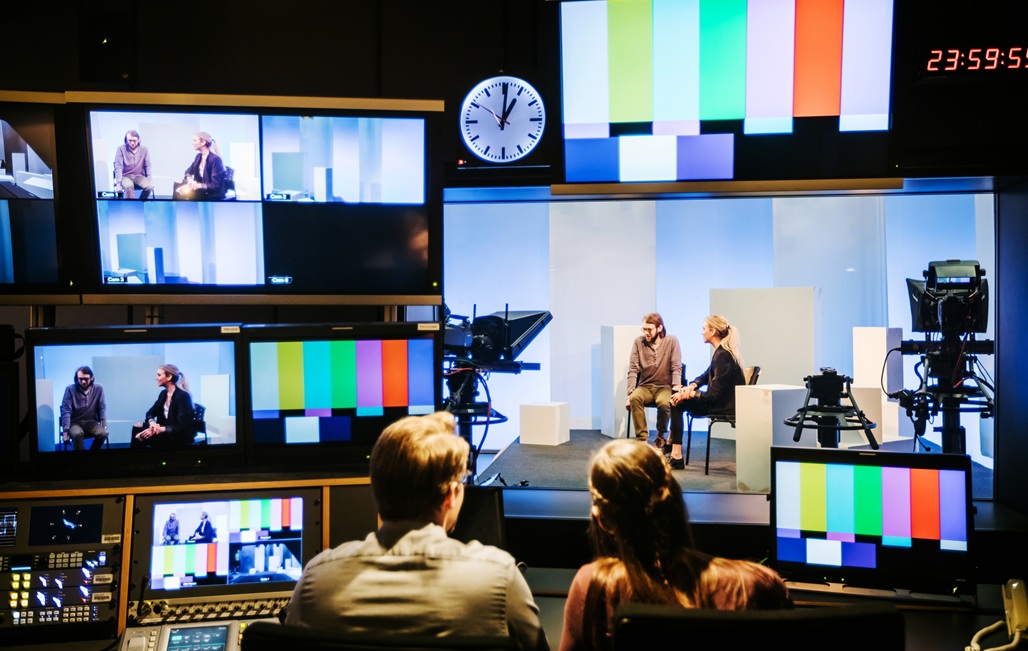
Much depends on the quality of a student’s university course: if they’ve had access to state-of-the-art equipment and technology to work with during their degrees, this will play a big part. Some universities have invested sufficiently large sums and levels of expertise in their studios to be able to attract industry clients. Students with access to these facilities and the technicians that support them will have a clear advantage.
If they’ve managed to experience work placements in the industry (which are less available in the UK than in the US), or if they’ve simply played an active role in the audio production side of a university radio station or rigged sound for the student theatre, then this demonstrates they’ve acquired key skills. And if their courses have schooled them in key transferrable skills like teamwork, reflection, self-awareness and problem-solving, this will all count in a graduate candidate’s favour and stand them in good stead. They should learn to talk them up proudly and confidently.
What can universities do to encourage recording studios to hire their graduates?
The know-how employers are seeking, as we’ve seen, is both intellectual and practical, making hands-on experience with the latest equipment indispensable. Work experience is increasingly crucial. Universities will do well for their students and their prestige by engaging constructively with prospective employers, identifying entry-level roles and even part-time or summer vacation temporary positions that might be undertaken while still studying. Helping technically at hospital or community radio stations will also help.
Employers to consider in the audio production industry are diverse, ranging from the BBC to independent television companies like ITV, Channel 4 and Channel 5, to the almost limitless array of digital TV channels. But don’t forget corporate and commercial production companies, specialist programme makers, music industry producers and recording studios, independent radio stations and facilities houses (companies that offer entertainment and broadcasting industries facilities like audio correction and post-production services).
One resource for universities seeking to tailor their music and audio production courses to meet the changing demands of employers is the Audio Engineering Society (AES), a professional society devoted exclusively to audio technology. Students can also be encouraged to participate in the activities of AES Student Sections, as a way of getting precious first work experience, plus something else of inestimable value: the opportunity for making professional contacts in the industry.
Universities can, in other words, do a good deal to help their graduating students succeed in their sound engineer careers, right from the earliest days of their courses.
Lorensbergs is the company behind connect2, the powerful equipment booking software that puts the focus on access and efficiency when it comes to media equipment. The ideal solution for university media centres and equipment loan desks, connect2 capably coordinates online equipment reservations and inventory management support, providing students with faster familiarity and simplified access to sound engineering facilities.