
Making the Cut for a Career in Media: Essential Resume Requirements

Every year, talented graduates strive to get their media and broadcasting careers started. Finding that first job in such a competitive industry however isn’t easy. Universities do everything they can to prepare them for this time, but what exactly does this involve? What’s most important for ensuring students are ready for successful media and broadcast careers?
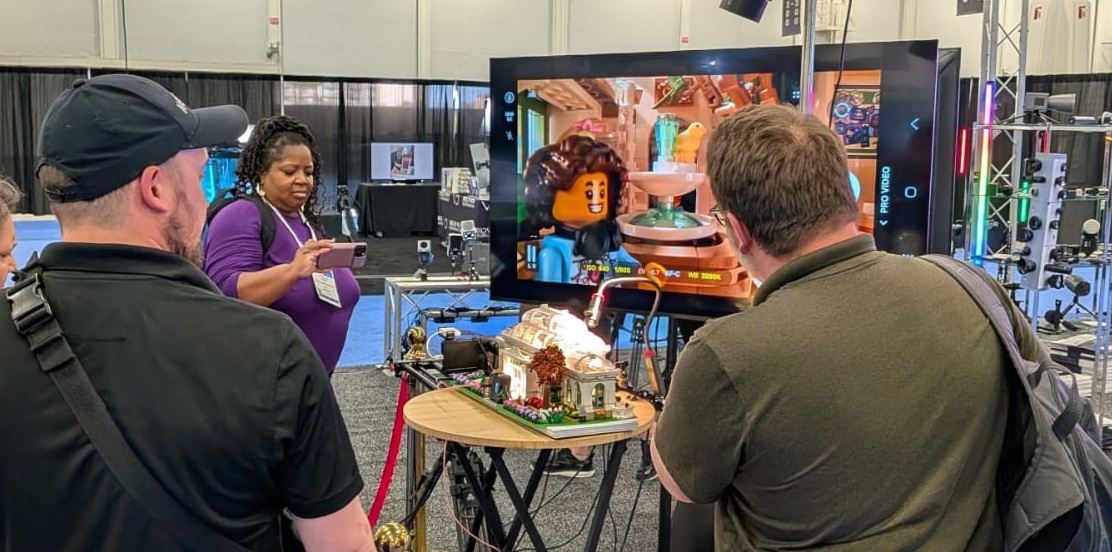
The Connect2 team took the opportunity at the BEA (Broadcast Education Association) Convention to explore the answer to this intriguing question. The event is firmly established as a time for media educators to meet and share their achievements and challenges each year. We were delighted that over 80 faculty and staff representing over 60 institutions took part in our research. Here we share what they felt made the biggest difference for launching their students’ careers…
How to make the cut for a career in media and broadcast
Media and broadcast educators are tasked with preparing students for an industry that’s both appealing and competitive in equal measure. It leads to developing a wide range of capabilities that allow students to demonstrate their suitability and readiness. In this article, we explore the skills, strengths and experiences that ranked highest amongst the educators surveyed.
So let’s take a look at what’s most important. After analysing our survey results it’s clear there’s strong consensus on a top 8 skills and strengths – as shown in the following chart. For these traits, around 90% at least agree and 60-70% strongly agree with their importance to their students’ future careers.
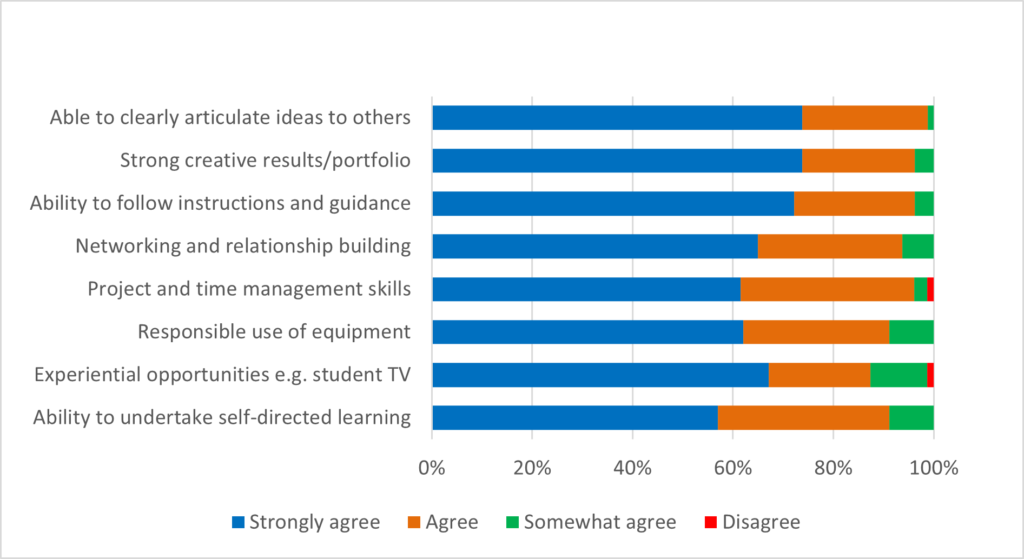
Chart 1: What do you feel is most important for ensuring students are ready for successful media and broadcast careers?
To see all skills and traits beyond the top 8 illustrated in this section, please see further below for a full list.
Key strengths combining to succeed
Focusing in on the top 3 strengths, here’s what students are required to demonstrate:- To be able to clearly articulate their ideas
- Demonstrate a portfolio of strong creative results
- To know how to follow instructions and guidance
To begin with, students must be able to develop and clearly express their own ideas and stories, bringing others along with them. It helps ensure they get buy-in for their projects, and that their crew are motivated and clearly understand what’s required when they come to produce it.
This strength in communication needs to be balanced with a willingness to follow instructions and guidance. Students need to take direction from their teachers and mentors and exercise self-discipline in observing rules.
The ability to absorb and follow what they’ve learnt is fundamental to their success, after all there is so much to apply and practice before they can truly excel in their field. In hands-on project work, remembering and applying what’s been taught in the classroom is especially important for getting good results from complex equipment. It can also help keep both kit and students safe when out on location.
Together with hard work, these skills lead to strong creative output and a portfolio to be proud of – one that will help them take that next step and launch a career in their creative industry of choice.
Support for student development with Connect2
Observing rules and guidance while expressing and acting on ideas are two key areas that our Connect2 equipment checkout software strongly supports. Here’s how:
Access and support for turning creative ideas into reality:
- Connect2 gives students opportunity to explain reasons for borrowing particular items as part of the booking process. So staff can have complete clarity and understanding of need before kit is placed in students’ hands – leading to greater confidence and support for their project plans
- Staff have visibility of students’ planned kit lists for each project prior to checkout – providing an important touchpoint for ensuring project success with the right tools
- Students can reserve what they need for their shoots 24/7, then manage and add to their booking as needed (again with complete visibility to authorized staff)
Staying on track with rules, building on learning:
- Connect2 helps students to identify and use the correct equipment, with lots of images, information, manuals and videos to inform use
- Students can only see and reserve those resources in Connect2 that they have been taught to use*, making it easier to stay on track and apply learning
- Equipment loans are instantly authorized in the system, but always only in adherence to department rules and policies on equipment use
What’s more, Connect2 supports good project management and responsible equipment use, which also rate highly in supporting career development, ranking in 5th and 6th place in our survey results. Here’s how it helps:
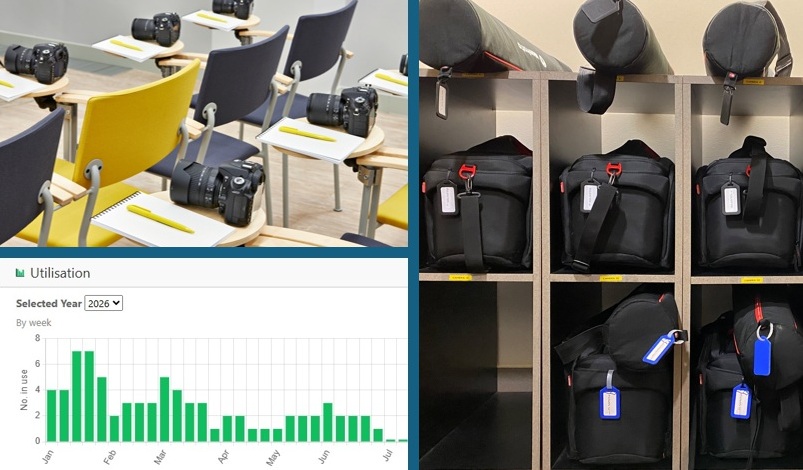
- All users have complete accountability on equipment use due to Connect2 tracking and data
- Booking rules are clearly visible to students at point of reserving items (e.g. max booking length or number of items)
- Notifications and reminders ensure students are completely aware of their obligations to return items on time
- Staff have complete visibility of overdue items. This supports them in cultivating an environment of responsible borrowing and consideration to other equipment users
- Students can extend their time while using checked out items or studios via online renewals (if availability allows)
*Optional Connect2 setting
Boosting creative potential and realization
We should also point out that, greater than the sum of the features above, just the availability of Connect2 as a reservation facility gives students a massive boost to their creative potential. With Connect2, students can quickly turn their creative ideas into reality. They can write a screenplay then hire camera equipment and shoot a short film the next day. They can write a song in the middle of the night and be booked into the music studio recording it the next morning.
Students can be proactive in practicing their skills, answering their calls for creativity whenever needed. It can all be achieved through the software and the responsiveness it allows when organizing access to resources.
Furthermore, it’s part of our mission at Connect2 to understand and support the ways that faculty and students interact in the process of planning and producing creative work. This is how we support not only the creative process but the education journey too.
Other skills to add to your list
So hang on, we’re not quite finished yet – there are a few more angles to consider! The above chart shows the top 8 areas of greatest importance when studying for media careers. However, it’s certainly not exhaustive. Here’s what else is valued in terms of capabilities and experiences, as discussed with faculty at BEA:
– Storytelling skills
– Creating own work and projects
– Real world experience (try local radio stations or lean on alumni for work experience)
– Ability to wear many hats and adapt to change
– Editorial experience
– Team leadership skills
– Experience of industry standard equipment
– Mastering use of equipment and technology
– Advanced digital skills (e.g. mojo, streaming)
That’s a lot to take into account, but then there’s also some highly rewarding careers to be had! And of course don’t forget, Connect2 plays its part in supporting skills development too.
We hope you‘ve found this article to be an interesting and useful read. If you’d like to hear more about how Connect2 supports your students’ development, please get in touch!