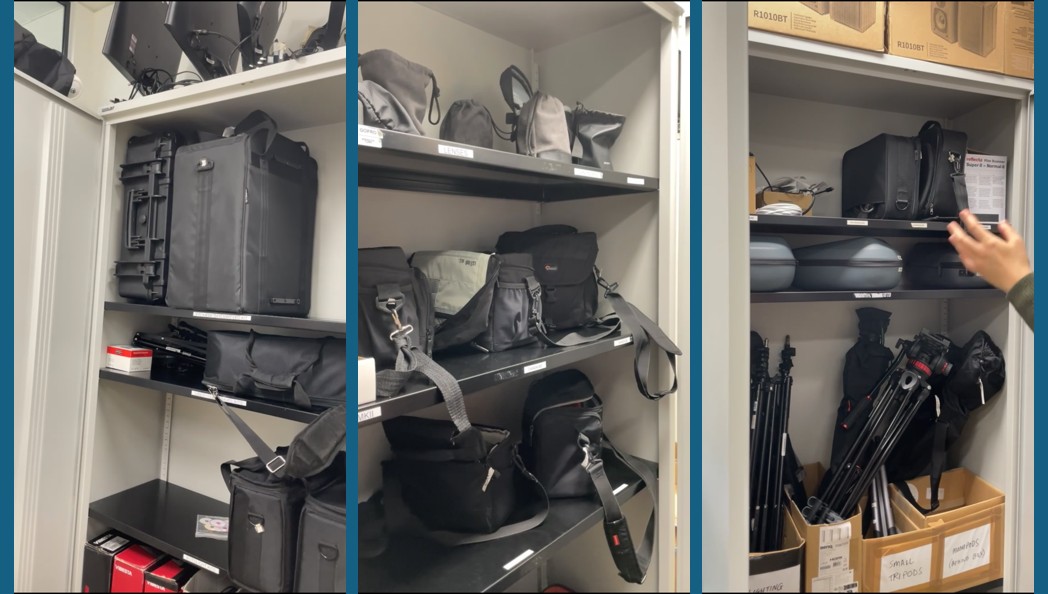

Check Out Time! How Universities Are Modernizing Equipment Loan Services
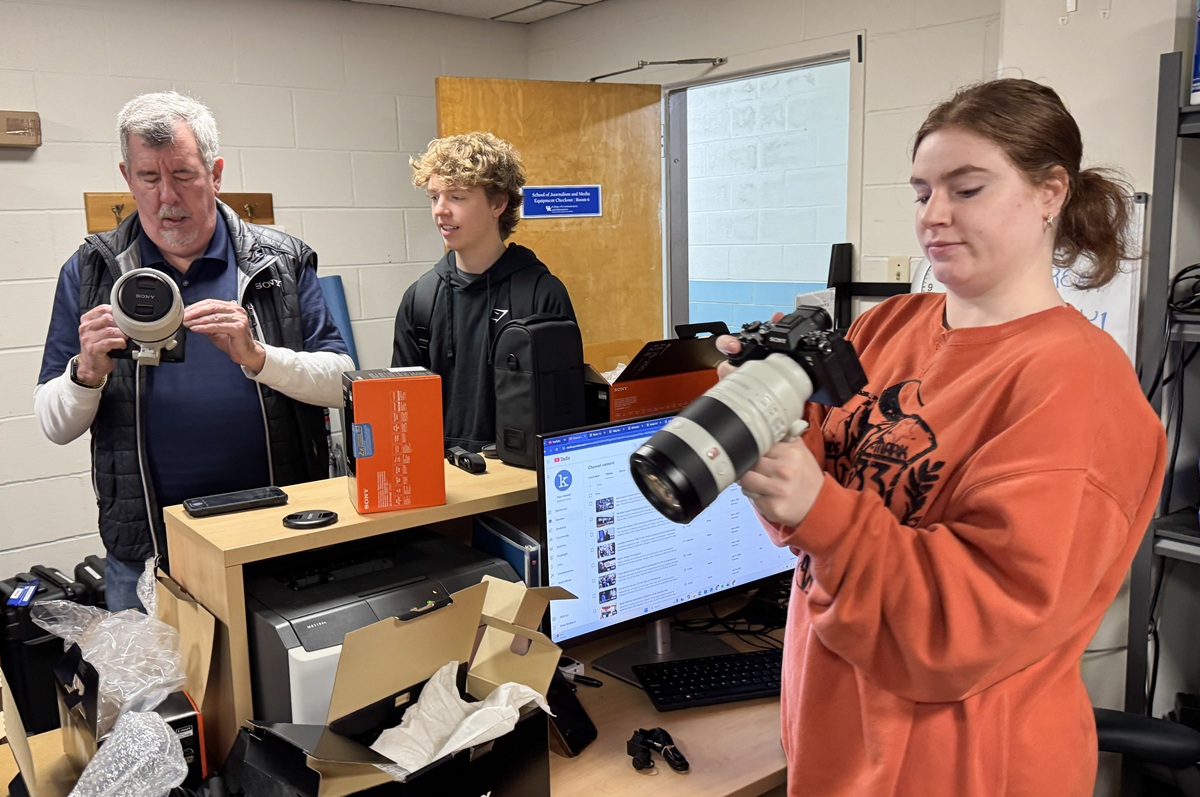
At Connect2, we’re always keen to dive into the everyday challenges universities face when it comes to running equipment loan services. That’s why the Broadcast Education Association (BEA) 2025 session, Check Out Time! Current Best Practices in Student Equipment, was top of our agenda—and it didn’t disappoint. It was a highlight amongst a packed program at this very enjoyable annual convention.
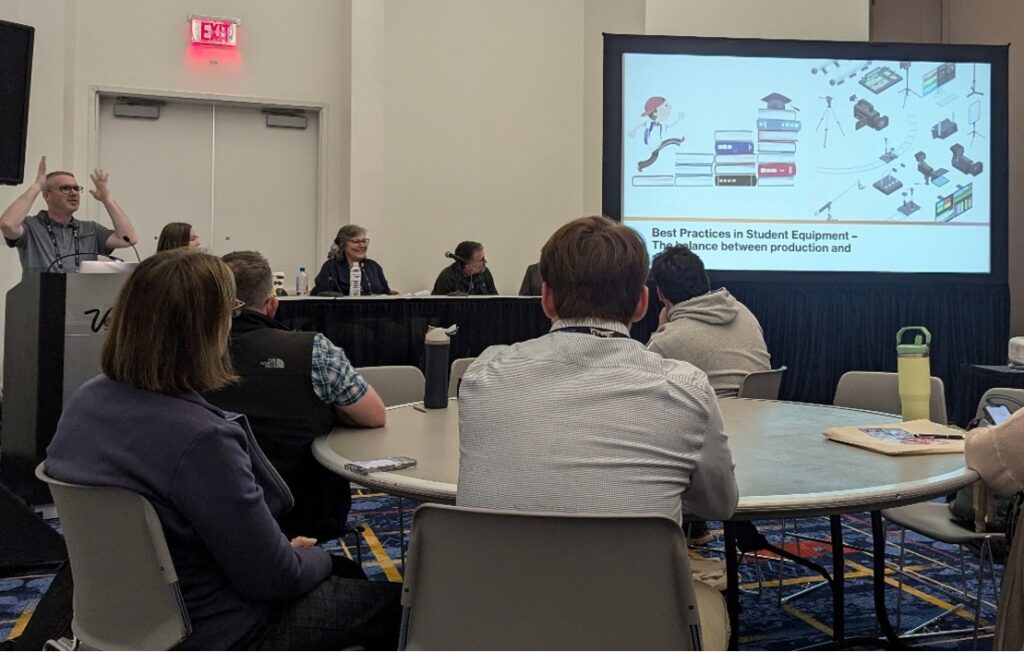
The session was chaired by James McNab of Iowa State University’s Greenlee School of Journalism and Communication, with a panel brought together to provide a wide range of perspectives from different institutions. Their insights offered a candid, comprehensive look at the issues, strategies, and technologies shaping student equipment checkout today.
Why Equipment Access Matters
The session kicked off with a reminder of why equipment loan programs are essential. Universities aim to prepare students for the realities of the media industry. That means giving them access to industry-grade cameras, audio kits, lighting rigs, and more.
Panelists emphasized:
- Equity and Accessibility: University-run loan programs create a level playing field, ensuring all students have access to the same tools
- Professional Readiness: Students get to handle professional tools they’ll encounter in internships or full-time roles
- Streamlined Instruction: Teaching is simpler and more effective when students use standardized equipment
On this third point it was stressed how important standardization is when instructors are supporting many students with potentially multiple pieces of different equipment. University issued items will be much more familiar to instructors, so it will be easier to teach while maximizing the potential of both kit and students.
Teaching Responsibility Alongside Creativity
A common thread throughout the discussion was the importance of teaching students how to treat equipment responsibly. “Treat it like your own” was a recurring mantra.
Institutions are getting creative in how they promote good habits:
- Mandatory intro courses: attendance is a prerequisite for accessing equipment
- Three-strike policies: Many universities operate a system that revokes equipment privileges after repeated violations
- Strict terms of use: Students must adhere to rules that help protect equipment. E.g. Some remind students on how to look after equipment such as warning against storing gear in hot cars or public areas
Universities can regularly remind students about these terms via communication features in modern equipment management platforms.
Software Systems as the Unsung Hero
As the scale of operations grows, the need for robust software systems becomes obvious. The panel shared how they’ve transitioned from paper-based logs to specialized platforms.
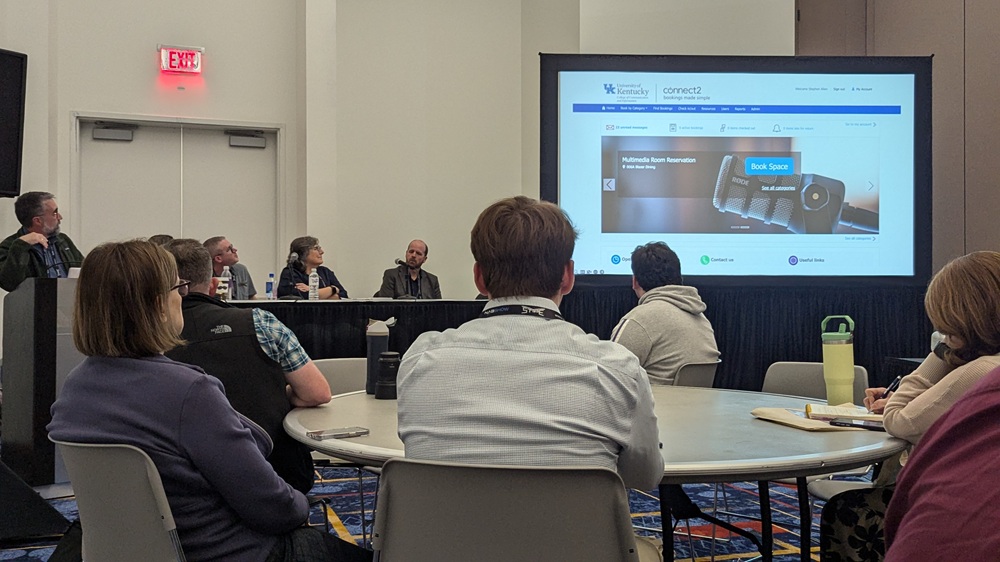
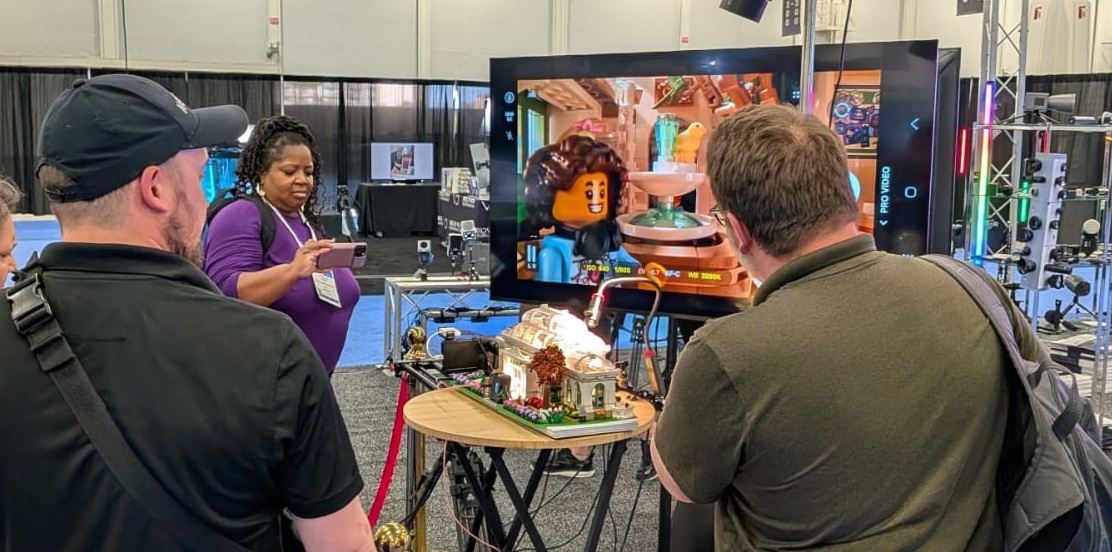
At the University of Kentucky for example (see image at top of page), what began as a modest checkout operation with just a few cameras has grown and flourished with tens of thousands of usage hours per semester. According to David Stephenson, “Connect2 has helped us evolve with our growth.”
Benefits highlighted include:
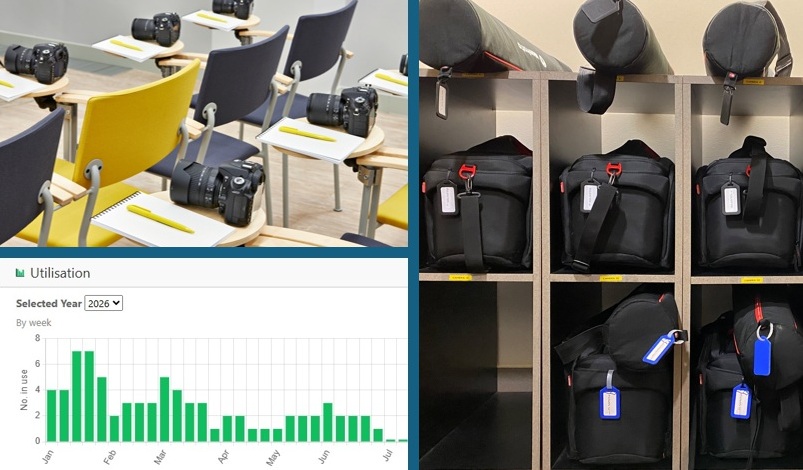
- Prebooking & availability views: Eliminating walk-up chaos. Advance booking is a growing expectation for students across universities
- User Restrictions: Barcoding and system integration with student database class lists prevent users from checking out gear they’re not qualified to use. Some systems show only the gear each student is trained to use. Others include a ‘view but no access’ mode for items students can use later in their studies, so keeping them keen and motivated
- Integrated Data: Enabling informed purchases based on item demand and usage statistics
- Communication Tools: For minimizing overdue equipment or alerting for unplanned closures, for instance on snow days
Such features improve awareness of resource availability and access rules, help reduce friction between departments, and can improve collaboration across campus.
Common Challenges (and some clever fixes)
Some persistent pain points come up again and again:
- Late Returns: $5/day late fees at one University encourages prompt returns
- Equipment Loss: Lens caps, tripod plates, and XLR cables remain top offenders. Security cameras at checkout points and better inventory tagging are helping
- Hoarding: This tendency is reversed via automated borrowing rules that enforce maximum reservation length and restrict number of items per user
- Budget Constraints: With limited funds, universities rely on student responsibility and good systems to stretch existing resources. For example, systems can support quick turnaround between checkouts. They can also guide departments on best use of new equipment budgets by giving transparency on current utilization
- Student Media Access: Calls to widen equipment access can be cumbersome and resource heavy to satisfy; the right software helps by making services easily scalable
Do Universities Encourage Students to Invest in their Own Equipment?
While universities on the panel did not generally expect students to have their own equipment, they recognize many still like to invest in their own gear. Where students have only some of the required items, the university loan operation helps by providing additional equipment and accessories. Audio, lighting, and equipment rigs all help students to assemble a fuller kit without breaking the budget.
Some universities approach the issue by requiring all students to take classes in using university equipment and to “see what we’ve got” before asking to use their own kit in class projects.
What About Smartphones for Production?
The panel was asked whether the rise of smartphones has reduced demand for traditional equipment. The consensus: not really.
While smartphones have a place—especially in classes designed to explore mobile journalism—they can’t replace the full range of gear required for professional media production:
“A phone is like any other piece of equipment—it has its limitations. If I could just get them to use an external microphone!”
Final Thoughts: Gear up for success!
The institutions represented ranged from small departments managing paper logs, to large-scale operations using enterprise-level platforms. Each tailored their service based on their needs, budget, and staffing.
Whether you’re considering digitizing your equipment checkout or optimizing an existing setup, the stories shared in this panel prove that the right software can make a world of difference—boosting accountability, efficiency, and, ultimately, student success.