
Connect2 Guide to Equipment Loaner Services

Equipment loaner programs play an important role in academic life. They remain popular with university students, making their education more affordable. They also offer vital support to classes requiring specialized equipment. Here we explore the kinds of resources involved and what you need to consider for running a successful equipment loaner pool.
Why loan out equipment?
Equipment loaner schemes are essential for supporting students’ academic achievements. From laptops to tablets, projectors, microphones and cameras, students need access to lots of equipment that is either too expensive or impractical for them to own themselves.
So loaner pools provide critical resources that enable them to meet their study obligations. With student debt running high, they provide a crucial, cost-saving service. They also support creativity, offering wide ranges of media equipment for video and audio production.
For institutions that continue to use hybrid learning arrangements, laptop loaner schemes guarantee that all students are able to attend lectures online. They add vital flexibility, ensuring all students are able to access libraries’ digital resources and produce assignments when off campus. They are also likely to be cheaper than providing students with a computer lab.
Types of equipment loaned
There is a wide range of resources included in equipment loaner pools:
- AV equipment – often provided by university IT departments and libraries
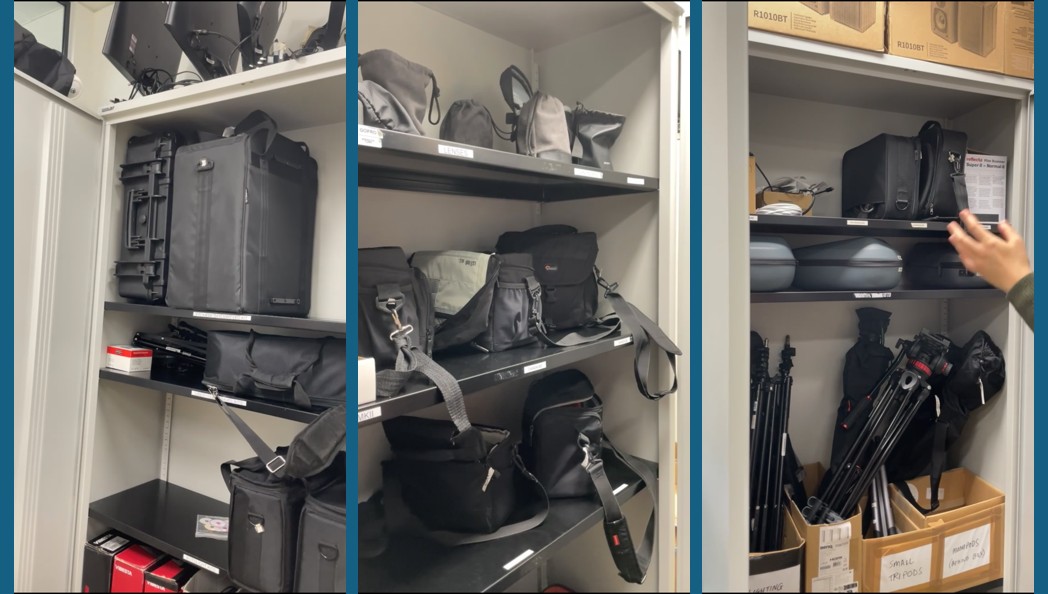
- Media equipment – supporting students taking journalism, filmmaking and other media related classes. Music and theatre schools often have items for loan too
- Lab equipment – science, technology, engineering, medicine and psychology programmes all have specialised equipment available for student use
- Laptops – many universities operate laptop loaner programmes supporting equity of access and providing key software. According to ECAR, 10% of new undergraduates do not own a laptop, yet it’s a piece of equipment felt by almost all (99%) to be important to academic success
From a recent Connect2 survey, we see that 25% of institutions organize lending from a central store – often a media center, library or central IT area. Over half organize it from specific departments or faculty: this is often the case where more specialized media or lab equipment is involved.
Running a reliable service
When it comes to loaning equipment, universities need to support a large number of students with a multitude of needs. So it requires a good amount of organization. Here are some aspects to take into account for running an efficient service:
- Determine how items can be reserved and tracked. An equipment reservation system that authenticates to your student database can provide an important advance booking facility and record of activity for tracking items
- Provide a staffed checkout desk with regular, well-publicized opening hours
- Establish a good system of booking rules based on available resources and number of users, e.g. how long each item can be loaned out for, which students are eligible (by class, year etc)
- Consider using barcodes to avoid human error managing the equipment
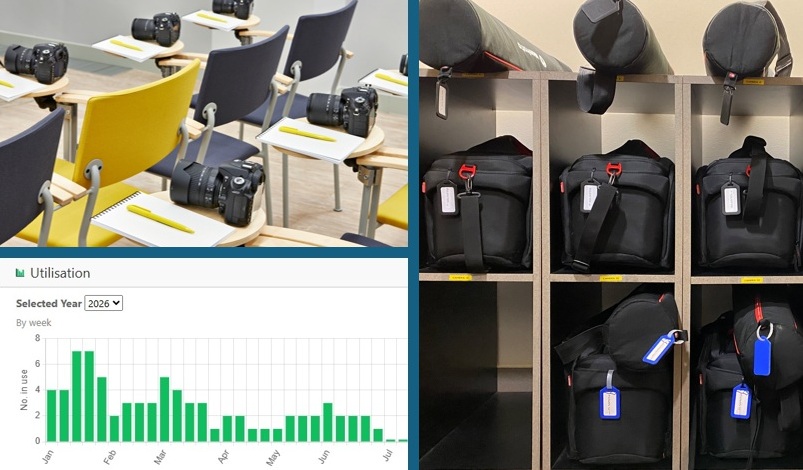
- Build a database of usage to help inform future resource purchasing
- If felt necessary, include a penalty system for any overdue or lost items
- Factor in time and resource for maintaining, cleaning and repairing kit
Typical terms and conditions
Having a clear set of users’ responsibilities is an important step in running a successful service. It covers you when items are lost or damaged. It also supports better communication and more responsible borrowing behavior from the start. Here are some areas to cover off when drafting your terms and conditions:
- Acceptable and correct use of equipment
- Health and safety aspects of equipment use for both on and off campus
- Rules for return of items, including late fees
- How to limit losses e.g. acceptable transport arrangements, safe storage
- User responsibilities when collecting and returning items; ID requirements
- Consideration and support for store workers
A full guide to compiling an effective set of terms and conditions is available here.
Conclusion
In summary, equipment loaner programs are an essential contributor to academic achievement for many students. They provide vital support, address digital poverty and ensure all students have access to the right, well maintained gear to support their studies. Talk to us for advice and information on any aspect of equipment loaner pools and tap into over 20 years’ expert experience.
About Connect2
With support from Connect2 equipment checkout software, you can improve resource availability, easily operate advance reservations, and run a speedy checkout desk.